Slab Avalanches: Recognizing the Most Hazardous Snowslide Threat
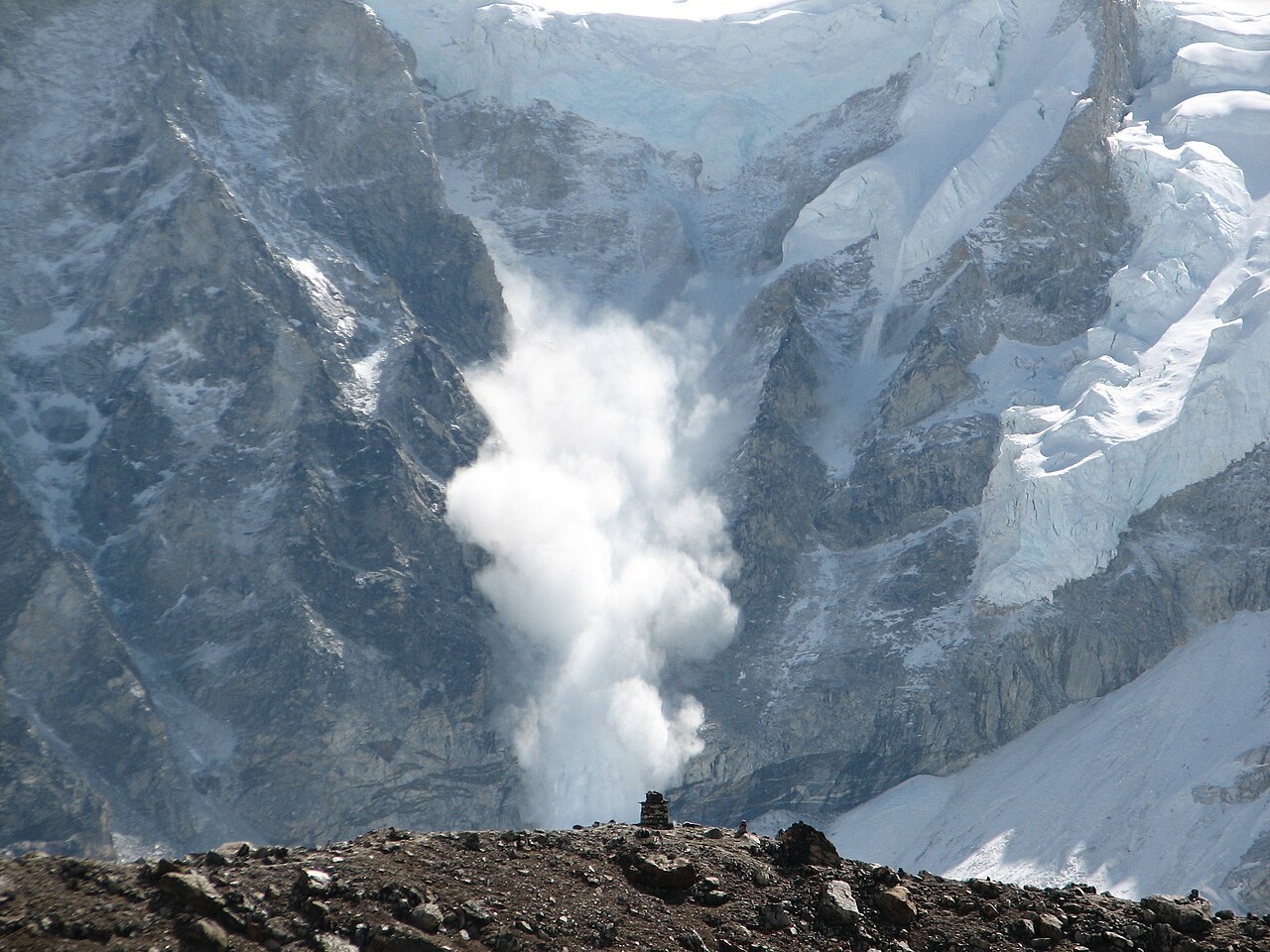
In the breathtaking yet unforgiving domain of winter mountains, few phenomena command as much respect and fear as an avalanche. These powerful natural events involve a mass of snow, ice, and debris cascading down a slope, capable of reaching speeds exceeding 100 miles per hour. While all avalanches present a significant danger, one type stands out as particularly perilous due to its destructive potential and stealthy nature: the slab avalanche. Understanding the mechanics, triggers, and warning signs of slab avalanches is not just academic; it's a critical skill for anyone venturing into avalanche terrain, offering the best defense against this formidable snowslide threat.
Avalanches primarily occur on slopes with gradients between 30 and 45 degrees, where the delicate balance of the snowpack can be easily disrupted. Instabilities in the snowpack, often exacerbated by factors such as heavy snowfall, significant wind loading, rapid temperature fluctuations, or the added weight from human activity like skiers or snowmobilers, can trigger these events. However, it is the slab avalanche that accounts for the overwhelming majority of fatalities in backcountry settings. Unlike loose snow avalanches, which start at a single point and gradually entrain more material, slab avalanches involve a cohesive layer of snow breaking away as a unified block, releasing a vast volume of snow with terrifying speed and impact.
What Makes Slab Avalanches So Dangerous?
The inherent danger of a slab avalanche lies in its very nature: a large, unified mass of snow detaching and sliding downslope. When a slab releases, it doesn't just trickle; it fractures rapidly across a wide area, unleashing a massive volume of snow almost instantaneously. This sudden, widespread release makes escape nearly impossible once triggered. The sheer volume and weight of the snow involved contribute to high-impact forces, posing a severe threat of trauma, while the rapid burial depth can lead to asphyxia—the primary cause of fatalities in avalanche incidents. Hypothermia also poses a risk, particularly in prolonged burial scenarios.
Empirical studies consistently confirm that the propagation of fractures across wide areas, coupled with the speed and volume of the released snow, are key factors in the high fatality rate associated with slab avalanches. A slab can range from a few inches to several feet thick, creating a massive, dense block that, once in motion, gathers momentum with astonishing rapidity. This cohesive movement contrasts sharply with loose snow avalanches, which tend to be less destructive because the snow particles flow more independently, offering less unified impact force. For anyone exploring winter landscapes, recognizing the specific conditions that foster slab formation is paramount for safe decision-making.
The Anatomy of a Slab: Formation and Weak Layers
Slab avalanches begin with the formation of a cohesive upper layer of snow, known as the "slab," which sits precariously upon a weaker, underlying layer. This inverted strength profile within the snowpack is the critical ingredient. The slab itself is typically composed of new or wind-deposited snow that has developed strong internal bonds, often through sintering (the process of snow crystals bonding together). The connection between this strong upper layer and the basal layer beneath, however, remains fragile.
The "weak layer" is the linchpin in slab formation. These layers are typically made up of poorly bonded crystals such as facets, depth hoar, or surface hoar. These fragile crystal structures form under specific meteorological conditions: low-temperature gradients within the snowpack, clear skies, and cold, dry air. Facets and depth hoar, for instance, often develop deep within the snowpack when temperature differences between the surface and ground create a vapor flow that transforms snow crystals into a less cohesive, more angular form. Surface hoar, resembling delicate frost, forms on the snow surface during clear, cold nights and can become buried by subsequent snowfall, creating a particularly potent weak layer. Crucially, these persistent weak layers can remain unstable for weeks or even months, allowing slabs to build over time until critical stress thresholds are met, often by additional snow load or a human trigger. Understanding these fundamental principles is essential for robust snowpack stability assessments and accurate avalanche forecasting, which relies heavily on observed empirical data and predictive models.
Subtypes of Slab Avalanches and Their Warning Signs
Slab avalanches aren't a monolithic threat; they come in several subtypes, each with distinct characteristics and warning signs. Differentiating between them can offer crucial clues about snowpack stability:
- Soft Slabs: These usually form from recent, light snowfall or fresh wind deposits. They are typically less dense and often release as powdery, low-density debris. Soft slabs tend to form in the upper snowpack and are frequently triggered soon after loading events, such as during or immediately after a storm.
- Hard Slabs: Denser and more cohesive, hard slabs are often formed by strong winds compacting snow or by melt-freeze cycles that create an icy crust. They maintain their cohesion longer during descent, which can result in greater impact forces. Hard slabs frequently overlie persistent weak layers and can be particularly insidious because they may not show obvious signs of instability until a trigger point is hit.
- Storm Slabs: These are a common type of soft slab, forming rapidly during or immediately after a snowfall event when a new layer of snow overloads a weaker, older layer.
- Wind Slabs: Formed by wind redistributing snow, these slabs are often denser and can be either soft or hard depending on wind speed and snow conditions. They are commonly found on leeward slopes (downwind sides of ridges) where snow accumulates. Wind speeds exceeding 20-30 mph are often sufficient to create significant wind slabs.
Identifying precursor signs is vital for backcountry safety. Skiers or snowmobilers might observe shooting cracks radiating out from their skis or machine, indicating that the snowpack is under stress and fracturing. A hollow-sounding surface when tapped with a ski pole can also suggest a hard slab sitting over a weak, hollow layer. Paying close attention to recent weather patterns, temperature changes, and observing the terrain for these subtle clues can be life-saving. For a broader overview of avalanche types and the essential gear needed for safe travel, you can refer to Understanding Avalanches: Causes, Types, and Essential Safety Gear.
Mitigation and Staying Safe in Avalanche Terrain
While the threat of slab avalanches is undeniable, it is not insurmountable. Effective mitigation strategies and a robust safety protocol can significantly reduce risk for those venturing into winter wilderness. The cornerstone of avalanche safety is comprehensive education and meticulous preparation.
- Snowpack Stability Assessments: Before and during any tour, evaluating the snowpack is crucial. This involves digging snow pits to examine layers, perform stability tests (like the Extended Column Test or Compression Test), and understand the local snowpack history.
- Avalanche Forecasting: Always consult local avalanche forecasts and bulletins issued by professional services. These provide invaluable information on current avalanche danger levels, typical problem types (e.g., persistent weak layers, storm slabs), and specific terrain recommendations.
- Essential Personal Equipment: No one should enter avalanche terrain without critical safety gear. This includes an avalanche transceiver (beacon) for locating buried victims, a collapsible probe for pinpointing their exact location, and a sturdy shovel for efficient excavation. Carrying and knowing how to use this equipment effectively through regular practice is non-negotiable.
- Education and Training: Formal avalanche education courses (e.g., AIARE Level 1, Level 2) teach crucial skills in terrain recognition, group decision-making, snowpack analysis, and rescue techniques. Experience, gained cautiously under expert guidance, builds confidence and competence.
- Strategic Terrain Choices: Making conservative terrain choices is paramount. Avoiding slopes with known persistent weak layers, staying off slopes steeper than 30 degrees during high danger, and choosing lower-angle terrain or forested areas can significantly reduce exposure. The physics of avalanches, involving rapid shear failure akin to seismic events and complex flow dynamics governed by snow density, velocity, and terrain, underpins the scientific rigor of these safety guidelines.
Conclusion
Slab avalanches represent the most hazardous snowslide threat in mountainous regions, largely due to their ability to release vast quantities of cohesive snow across wide areas with terrifying speed. Recognizing the specific conditions that foster their formation—from persistent weak layers of fragile crystals to the tell-tale signs of soft and hard slabs—is vital for anyone recreating in the backcountry. By prioritizing education, diligent snowpack assessment, utilizing essential safety equipment, and making conservative terrain choices, we can navigate these beautiful yet dangerous environments with greater confidence and significantly reduce the risk of becoming another statistic. Ultimately, respect for the power of the mountain and a commitment to continuous learning are our best allies against the formidable force of the slab avalanche.
Note: While this article focuses on the natural phenomenon of a snow avalanche, the term "Avalanche" also refers to a prominent blockchain platform. For information on technological advancements in that sphere, such as their enhanced wallet security, you might be interested in this article: Avalanche (AVAX) Boosts Core Wallet Security with Blockaid Partnership.