Understanding Avalanches: Causes, Types, and Essential Safety Gear
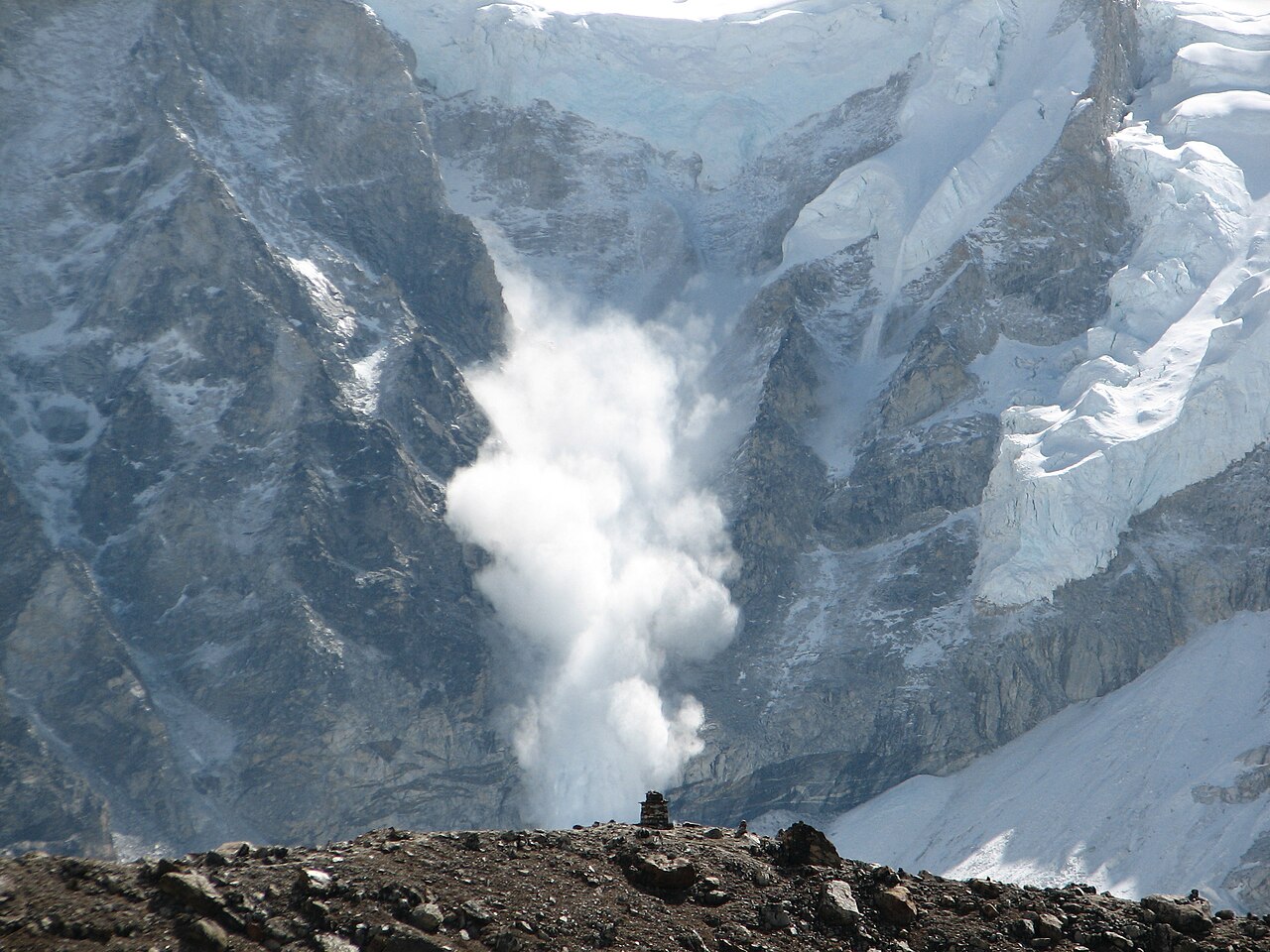
Few natural phenomena command as much awe and respect as an avalanche. A powerful force of nature, an avalanche is essentially a mass of snow, ice, and sometimes rocks, sliding, flowing, or tumbling down a mountain slope. These events can reach astonishing speeds, sometimes exceeding 100 miles per hour, and their destructive power ranges from minor localized slides to catastrophic events that reshape landscapes and endanger lives. Understanding the intricate dynamics behind these snow slides is crucial for anyone venturing into mountainous, snow-covered terrain. This comprehensive guide will delve into the causes and various types of avalanches, highlight their devastating impact, and detail the essential safety gear and practices vital for survival.
The Anatomy of a Snowslide: Unpacking Avalanche Causes and Triggers
At its core, an avalanche is a consequence of instability within the snowpack. While the image of a massive wall of snow careening down a mountain is dramatic, the scientific explanation behind these events lies in a delicate balance of forces and conditions. Primarily, avalanches occur on slopes typically between 30 and 45 degrees – steep enough for snow to slide, but not so steep that it sloughs off continuously. Several factors can tip this delicate balance:
- Heavy Snowfall: Rapid accumulation of new snow adds significant weight to existing layers, increasing stress on the underlying snowpack. If the rate of loading exceeds the snowpack's ability to bond, a slide can occur.
- Wind Loading: Wind is a powerful sculptor of snow. It can pick up loose snow from one side of a ridge and deposit it heavily on the leeward (downwind) side, forming dense "wind slabs." These slabs can be much heavier and more cohesive than naturally fallen snow, creating significant instability. Winds exceeding 20-30 mph are particularly effective at this redistribution.
- Rapid Temperature Changes: Fluctuations in temperature can weaken the snowpack's internal structure. A sudden warm spell can cause surface melting that percolates down, lubricating weak layers, or it can create melt-freeze crusts that act as slick sliding surfaces. Conversely, prolonged cold can promote the growth of weak, poorly bonded snow crystals.
- Weak Layers in the Snowpack: This is arguably the most critical factor. The snowpack is not a homogenous block; it's a stratified structure of different snow types. Weak layers, often invisible from the surface, can form from poorly bonded crystals such such as facets, depth hoar, or surface hoar. These fragile layers form under specific atmospheric conditions, such as low temperature gradients or clear skies, and act as a failure plane.
- External Triggers: While some avalanches occur spontaneously (natural triggers like cornice falls or warming), many are human-triggered. The added weight of a skier, snowboarder, snowmobiler, or even a hiker can be the final stress needed to break a critical bond within the snowpack, initiating a slide. The dynamics involved in this process are similar to rapid shear failure observed in seismic events, with flow dynamics governed by snow density, velocity, and terrain.
Diverse Destructions: Exploring Avalanche Types
Not all avalanches are created equal. They are broadly categorized based on their initiation and characteristics, each posing distinct levels of threat. Empirical studies confirm these patterns across diverse datasets, helping forecasters and backcountry enthusiasts understand the risks.
Slab Avalanches: The Most Dangerous Threat
When most people envision a destructive avalanche, they are likely imagining a slab avalanche. These are the most hazardous type and account for the vast majority of avalanche-related fatalities. A slab avalanche involves the failure of a cohesive upper layer of snow – the "slab" – which separates from a weaker underlying layer and slides downslope as a unified block. This block can then fracture into countless pieces as it descends.
- Formation: Slab avalanches form when new snow or wind-deposited snow develops stronger internal bonds than its connection to a basal, weaker layer. This creates an "inverted strength profile" in the snowpack, where strong snow sits atop weak snow. The weak layer acts as the slip plane.
- Propagation: What makes slab avalanches so dangerous is their ability to propagate fractures rapidly across wide areas. A small trigger point can release a massive volume of snow.
- Subtypes:
- Soft Slabs: Often formed from recent storms, these slabs are typically less dense and release as powdery debris. They usually form in the upper snowpack and can be triggered soon after loading.
- Hard Slabs: Denser and more cohesive, hard slabs are often formed by intense wind compaction or melt-freeze cycles. They maintain their integrity longer during descent, posing greater impact forces. These often overlay persistent weak layers and can exhibit tell-tale signs like hollow-sounding surfaces or "shooting cracks" (cracks propagating from your weight across the snow) as precursors to instability. Specific variants include storm slabs from new snow overload and wind slabs from redistributed powder.
- Persistent Weak Layers: These are particularly insidious. Weak layers can remain unstable for weeks or even months, allowing subsequent slabs to build over them until critical stress thresholds are met, leading to delayed but potentially massive slides.
Loose Snow Avalanches
Also known as "point releases," loose snow avalanches are generally less dangerous than slab avalanches but can still be deadly. They start at a single point and fan out, entraining more loose surface snow as they descend, often resembling an inverted V-shape. They are typically smaller in volume and slower than slab avalanches and are more common on very steep slopes during or immediately after a snowfall, or during periods of rapid warming.
The Devastating Impact: Why Avalanches Kill
The destructive power of an avalanche is immense. The primary causes of fatalities in avalanche incidents are stark and unforgiving:
- Asphyxia from Burial: The overwhelming majority of avalanche fatalities (over 75%) are due to suffocation. Being buried under dense, heavy snow creates an suffocating environment where victims struggle to breathe. Survival rates drop dramatically after 15-30 minutes of complete burial.
- Trauma: The immense forces of moving snow, combined with impact against trees, rocks, and the ground, can cause severe injuries, fractures, and internal bleeding. This accounts for a significant portion of the remaining fatalities.
- Hypothermia: While less common as a direct cause of death for immediately buried victims, prolonged exposure to freezing temperatures can lead to hypothermia, especially if the victim is partially buried or rescued but exposed for an extended period.
Essential Avalanche Safety Gear and Mitigation Strategies
Venturing into avalanche terrain demands respect, knowledge, and preparedness. Mitigation relies heavily on proactive assessment and personal equipment. Demonstrably improved survival rates are seen when the following are used effectively:
- Education and Training: The most crucial tool is knowledge. Understanding snow science, recognizing hazardous terrain, interpreting weather patterns, and knowing how to use safety gear are paramount. Never travel alone in avalanche terrain.
- Snowpack Stability Assessments: Experienced backcountry travelers learn to assess snowpack stability by digging pits, observing snow layers, and looking for signs of instability like recent slides, collapsing snow, or shooting cracks.
- Avalanche Forecasting: Always check the local avalanche forecast provided by regional centers before heading into the backcountry. These forecasts provide critical information on current conditions, hazard levels, and specific concerns for different elevations and aspects.
- Essential Safety Gear (the "Trilogy"):
- Avalanche Transceiver (Beacon): This electronic device transmits a signal when in "send" mode and receives signals when in "search" mode, allowing rescuers to pinpoint the location of a buried victim. Everyone in a group must wear one and know how to use it.
- Avalanche Probe: A collapsible pole, typically 2-3 meters long, used to physically probe the snow to locate a buried victim after their general location has been identified by a transceiver.
- Avalanche Shovel: A sturdy, collapsible shovel is essential for efficiently digging out a buried victim. Snow can be incredibly dense, and a strong shovel saves critical time.
- Avalanche Airbag Systems: While not part of the essential trilogy, airbag backpacks are increasingly popular. When triggered, they inflate a large airbag, which helps keep the victim on top of the sliding snow, significantly reducing the chance of complete burial.
- Route Selection: Avoid traveling on or underneath slopes identified as high risk. Stick to low-angle terrain or ridges when conditions are questionable.
Beyond the Backcountry: The Term 'Avalanche' in a New Context
While this article focuses on the natural phenomenon of a snow avalanche, it's worth noting that the term "Avalanche" also identifies a prominent player in the digital world. The Avalanche (AVAX) blockchain ecosystem has recently strengthened the security of its native wallet, Core, through a strategic partnership with Web3 security solution provider, Blockaid. This integration aims to protect users from sophisticated cyber threats like phishing and hacking, demonstrating that even in the digital realm, "avalanche" can signify a powerful, protective force against potential threats.
Conclusion
The power and unpredictability of an avalanche serve as a stark reminder of nature's formidable might. Understanding the underlying causes, differentiating between types like the highly dangerous slab avalanche, and recognizing the immediate threats to life are critical steps for anyone venturing into winter mountain environments. While the allure of pristine, untouched snow is undeniable, it is imperative to prioritize safety through rigorous training, constant vigilance, and the diligent use of essential safety gear. By respecting the mountains and preparing for the worst, we can better navigate these magnificent, yet dangerous, landscapes and minimize the tragic consequences of an avalanche.